
Quick Summary: Aeroseal duct sealing in Michigan reduces energy waste by fixing hidden duct leaks that cause uneven temperatures and higher bills. The long heating season makes these leaks especially costly, and sealing improves comfort, HVAC efficiency, and compliance with local codes. Most homeowners notice steadier temperatures and lower energy costs after sealing, which is particularly effective in older homes with significant duct leaks.
In a Michigan home, the furnace can run nonstop while back rooms still feel cold. That often points to hidden duct leaks, not just an old system. This guide explains how Duct Sealing Michigan projects with Aeroseal stop that waste, improve comfort, and support real Energy Efficiency Improvement. We focus on what owners need most: how Air Duct Sealing works, what results to expect, and why Duct Sealing Michigan matters in a long heating season.
How Aeroseal Improves Energy Efficiency in Michigan Homes and Buildings
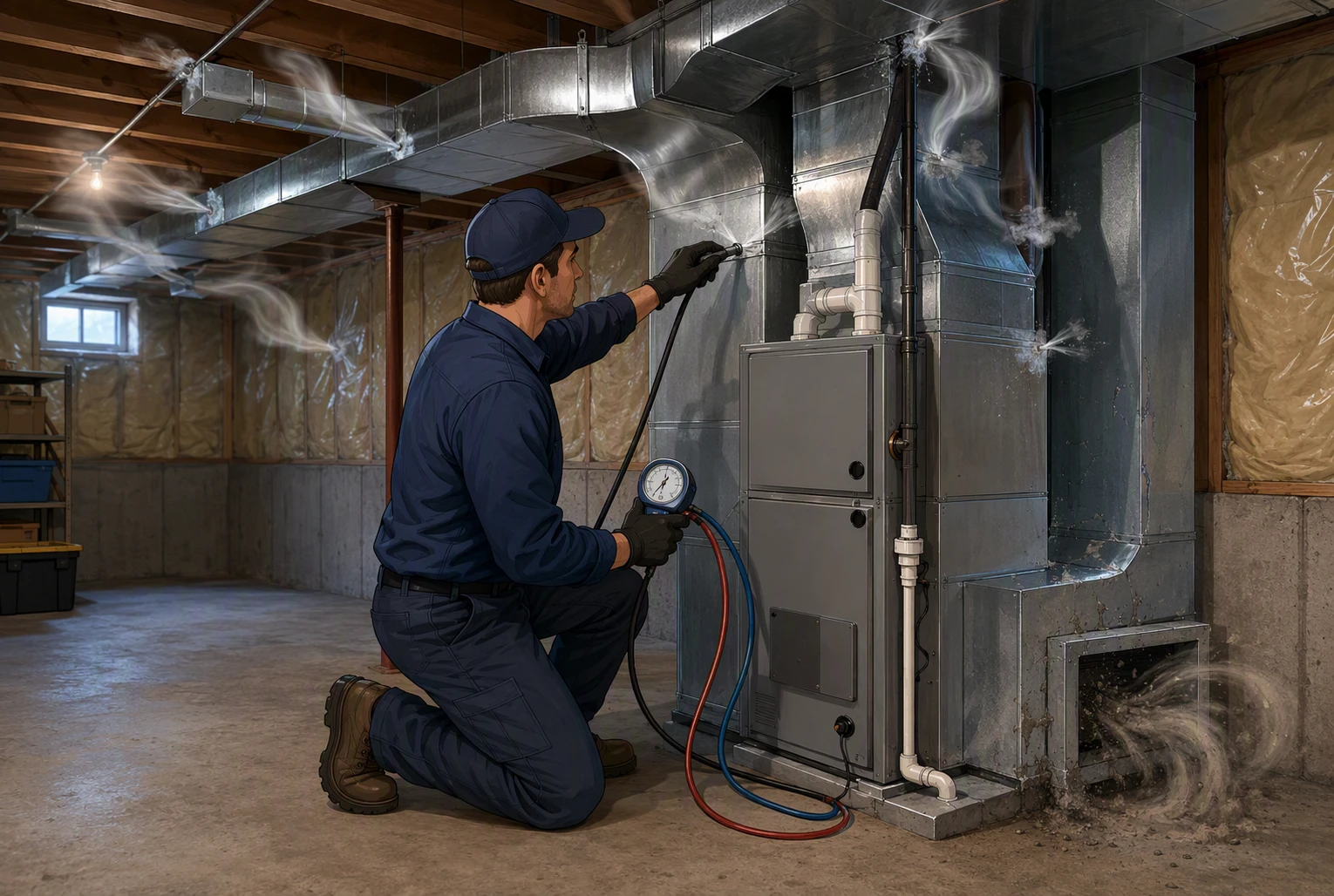
Why hidden duct leaks waste so much conditioned air
Hidden duct leaks send paid-for air into basements, attics, wall cavities, and other spots you never mean to heat or cool. The U.S. Department of Energy says typical duct systems can lose 25 to 40 percent of heating or cooling energy, which hits Michigan properties harder because the heating season is long and steady according to DOE. Michigan also requires duct tightness testing in many cases because sealed ducts help stop conditioned air loss and keep comfort on target under state guidance.
- Leaks at joints, boots, and plenums waste furnace output
- Return leaks can pull in dusty, cold, or damp air
- Rooms far from the blower often feel the problem first
In Duct Sealing Michigan projects, hidden leakage is often the reason one room stays cold while another overheats.
What changes after the ducts are sealed
Aeroseal seals leaks from the inside, so more air reaches the rooms it was meant to serve. That improves delivery, not just equipment performance.
| Before sealing | After sealing |
|---|---|
| Uneven room temperatures | More balanced airflow |
| Longer furnace run times | Less wasted heated air |
| Higher energy waste | Better system efficiency |
For many homes and buildings, Duct Sealing Michigan work leads to:
- More even temperatures
- Better comfort near exterior rooms
- Lower strain on HVAC equipment
- Less wasted energy during winter
For Michigan owners, Aeroseal works best when paired with duct cleaning, airflow checks, and basic HVAC maintenance.
Also Read: Enhance Indoor Air Quality with Proven HVAC Maintenance Strategies
Why Michigan Conditions Make the Savings More Noticeable
Michigan savings stand out because long heating seasons make every duct leak cost more. The U.S. Energy Information Administration explains that heating degree days track how much heating a building needs, and colder places rack up more of them degree days. In a state where furnaces run for months, lost warm air means:
- higher fuel use
- longer system run time
- more comfort complaints in far rooms
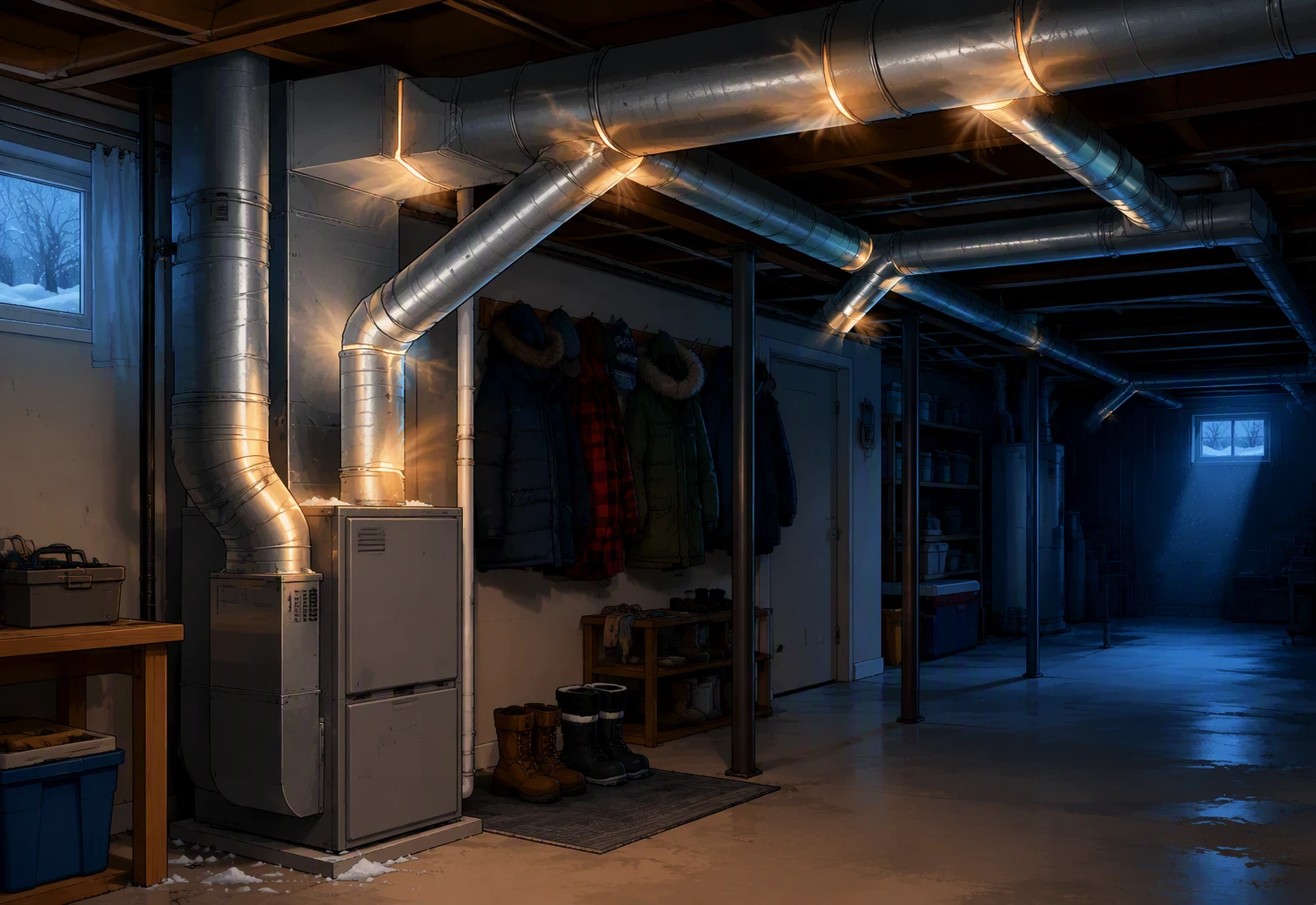
Older Michigan homes often hide the worst losses in basements, wall cavities, and long branch runs. The U.S. Department of Energy notes typical duct systems can lose 25% to 40% of heating or cooling energy, especially when leaks and poor connections stack up typical duct losses.
That is why sealing often feels more dramatic in older Midwest homes than in milder climates.
Also Read: About Us | Alma Duct Cleaning Service
How to Judge Whether the Efficiency Gain Is Worth It
If your bills feel high, your ducts may be part of the problem. ENERGY STAR says a typical home can lose 20 to 30 percent of moving air through duct leaks, holes, and poor connections in forced-air systems.
-
Signals that your ducts are costing you money
- Hot and cold rooms
- Stuffy areas
- Ducts in attics, crawlspaces, or garages
- Kinked flex ducts
- Rising winter bills
If comfort problems and high bills show up together, sealing often has a stronger case.
-
Why verification matters before and after sealing
- Test first, so you know leakage is real
- Test again, so you can prove the gain
- A duct leakage test gives a clean before-and-after check
Also Read: Expert Cleaning Tips, Guides & Janitorial Insights
What Michigan Property Owners Can Expect After the Work Is Done
The everyday results people notice first
Most owners notice steadier room temperatures, fewer hot or cold spots, and less strain on the HVAC system. Proper duct sealing can cut heating and cooling losses by up to 20%, according to ENERGY STAR.
The long-term business case
In Michigan, sealed ducts also support code-level performance because ducts must be sealed and, in many cases, tested under current Michigan rules. That can help lower utility waste, improve tenant comfort, and strengthen property value over time.

Cut heat loss at the ducts and lower energy waste with ACS Alma Cleaning Services. Schedule an inspection to find leaks, improve airflow, and make your Michigan home or building more efficient.
Frequently Asked Questions
Q1: How does Aeroseal duct sealing improve energy efficiency in Michigan homes?
It seals hidden duct leaks, so more heated or cooled air reaches each room. That matters in Michigan, where long winters push furnaces hard. Less air loss means lower runtime, steadier comfort, and less wasted energy.
Q2: What are the benefits of professional Aeroseal duct sealing versus DIY methods in Michigan?
Professional service finds leaks inside the full duct system, not just easy spots near vents. DIY tape often misses hidden gaps and fails faster. A trained crew can test leakage before and after for clear results.
Q3: How much can Michigan homeowners save on energy bills with Aeroseal duct sealing?
Savings vary by duct condition, insulation, and furnace use, but homes with major leakage often see noticeable bill drops. The biggest gains usually come in older Michigan homes where heated air leaks into attics, basements, or crawl spaces.
Conclusion
Aeroseal helps Michigan buildings waste less heated air, improve comfort, and tighten hard-to-reach leaks. In many homes, ducts lose 20 to 30 percent of airflow, and Michigan code also stresses duct tightness testing.