
Indoor air pollution represents a significant health hazard affecting millions of people in residential and commercial buildings worldwide. Research consistently demonstrates that indoor air concentrations of pollutants frequently exceed outdoor levels by two to five times, with some contaminants reaching levels up to 100 times higher than those found outside. This disparity is particularly concerning considering that Americans spend approximately 90% of their time indoors, according to the Environmental Protection Agency.
Multiple factors contribute to indoor air contamination, including volatile organic compounds (VOCs) from cleaning products and furnishings, particulate matter from cooking and combustion sources, biological contaminants such as mold and dust mites, and chemical emissions from building materials and furniture. Modern construction practices that emphasize energy efficiency through improved building envelope sealing can inadvertently trap these pollutants indoors, reducing natural ventilation and air exchange rates. Exposure to indoor air pollutants has been linked to both immediate and long-term health effects.
Short-term symptoms include eye, nose, and throat irritation, headaches, dizziness, and fatigue. Prolonged exposure may contribute to the development of respiratory diseases, heart conditions, and cancer. Vulnerable populations, including children, elderly individuals, and those with pre-existing health conditions, face elevated risks from poor indoor air quality.
Understanding pollutant sources, implementing proper ventilation strategies, and utilizing appropriate air cleaning technologies are essential components of maintaining healthy indoor environments.
Key Takeaways
- Indoor air pollution is caused by key pollutants such as particulate matter, volatile organic compounds, and biological contaminants.
- Common sources include household products, building materials, and poor ventilation.
- Exposure to indoor air pollution can lead to respiratory issues, allergies, and other health problems.
- Improving ventilation, using air purifiers, and eliminating pollution sources are effective mitigation strategies.
- Preventing mold, controlling dust, and managing chemical pollutants are essential for maintaining healthy indoor air quality.
Understanding the Three Key Indoor Air Pollutants
When discussing indoor air pollution, it is essential to identify the three primary pollutants that pose significant risks to health: volatile organic compounds (VOCs), particulate matter (PM), and biological contaminants. Volatile organic compounds are chemicals that can easily evaporate at room temperature and are commonly found in household products such as paints, cleaning agents, and air fresheners. These compounds can lead to a range of health issues, including headaches, dizziness, and respiratory irritation.
Particulate matter consists of tiny particles suspended in the air, which can originate from various sources such as cooking, smoking, and even outdoor pollution that infiltrates indoor spaces. These particles can penetrate deep into the lungs and bloodstream, leading to serious health complications over time. Biological contaminants include mold spores, dust mites, and pet dander, all of which can trigger allergic reactions and exacerbate asthma symptoms.
Understanding these pollutants is the first step toward effectively managing indoor air quality. For professional cleaning solutions tailored to your needs, Check our services area.
Identifying Sources of Indoor Air Pollution
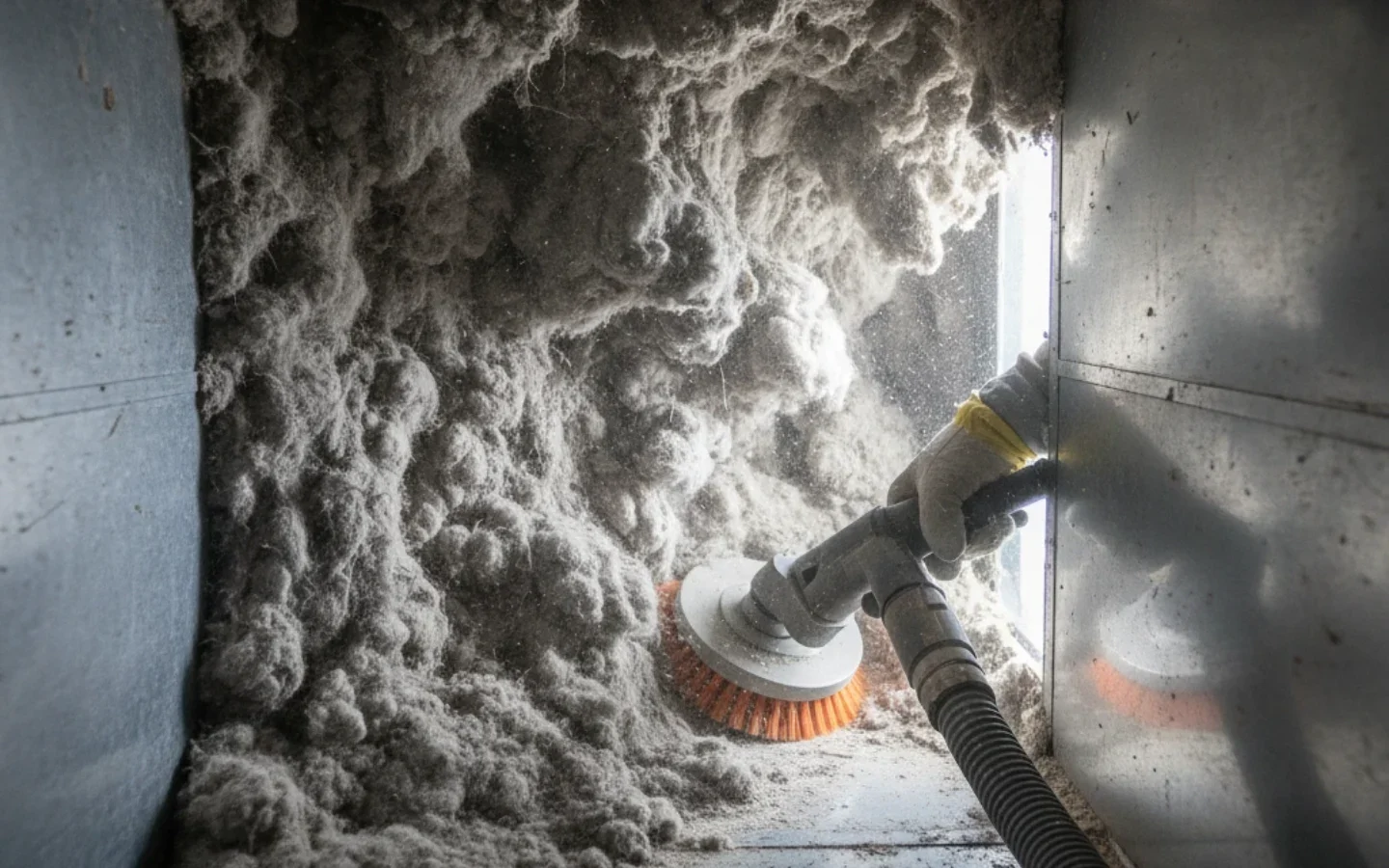
Identifying the sources of indoor air pollution is crucial for developing effective strategies to combat it. Common sources include household cleaning products, personal care items, and building materials. For instance, many cleaning agents contain VOCs that can linger in the air long after use.
Similarly, certain paints and varnishes release harmful fumes that can contribute to poor indoor air quality. It is essential for homeowners to be aware of these products and consider opting for low-VOC or eco-friendly alternatives.
Cooking, for example, can release smoke and grease particles into the air, while smoking indoors introduces harmful chemicals that can linger long after the cigarette is extinguished. Furthermore, inadequate ventilation can trap these pollutants inside, exacerbating their effects.
Health Effects of Indoor Air Pollution
The health effects of indoor air pollution are varied and can range from mild discomfort to severe health complications. Short-term exposure to pollutants can lead to symptoms such as headaches, fatigue, and irritation of the eyes, nose, and throat. For individuals with pre-existing conditions like asthma or allergies, these symptoms can be particularly pronounced and may lead to increased frequency of attacks or flare-ups.
Long-term exposure to indoor air pollutants can have even more serious consequences. Studies have linked chronic exposure to particulate matter and VOCs with respiratory diseases, cardiovascular problems, and even certain types of cancer. Vulnerable populations such as children, the elderly, and those with compromised immune systems are at an increased risk for these adverse health effects.
Therefore, it is imperative to take steps to improve indoor air quality to safeguard the health of all occupants.
Addressing Indoor Air Pollution: Improving Ventilation
| Indoor Air Pollutant | Common Sources | Health Effects | How to Address |
|---|---|---|---|
| Radon | Soil beneath buildings, cracks in foundation | Lung cancer risk, respiratory issues | Test home for radon, seal foundation cracks, install radon mitigation system |
| Volatile Organic Compounds (VOCs) | Paints, cleaning products, adhesives, furniture | Eye, nose, throat irritation, headaches, dizziness | Use low-VOC products, increase ventilation, store chemicals properly |
| Particulate Matter (PM2.5 and PM10) | Cooking, smoking, candles, fireplaces | Respiratory problems, heart disease, aggravated asthma | Use air purifiers, avoid smoking indoors, ensure proper ventilation |
One of the most effective ways to combat indoor air pollution is by improving ventilation within a space. Proper ventilation helps to dilute indoor pollutants by allowing fresh outdoor air to circulate while expelling stale or contaminated air. This can be achieved through natural ventilation methods such as opening windows and doors or using exhaust fans in kitchens and bathrooms.
In addition to natural ventilation, mechanical ventilation systems can also play a vital role in maintaining good indoor air quality. These systems are designed to bring in fresh air from outside while filtering out pollutants before they enter the living space. Regular maintenance of these systems is essential to ensure they function effectively.
By prioritizing ventilation, individuals can significantly reduce the concentration of indoor air pollutants and create a healthier environment.
Addressing Indoor Air Pollution: Using Air Purifiers
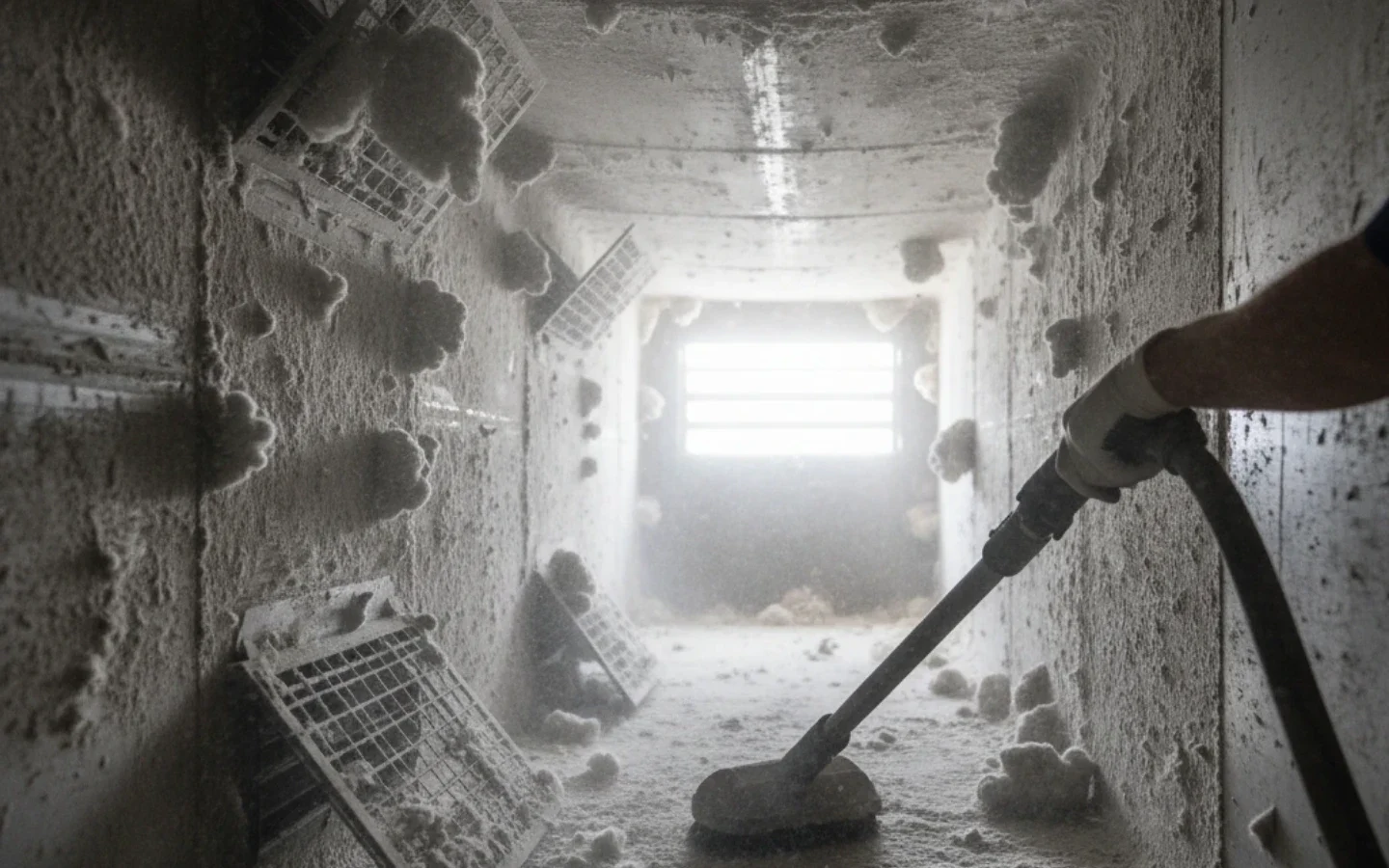
Air purifiers have gained popularity as an effective tool for improving indoor air quality by removing harmful particles and pollutants from the air. These devices work by using filters or other technologies to capture airborne contaminants such as dust, pollen, pet dander, and even VOCs. When selecting an air purifier, it is important to consider factors such as the size of the space it will be used in and the specific types of pollutants it targets.
While air purifiers can be beneficial in reducing indoor air pollution levels, they should not be viewed as a standalone solution. Instead, they should be used in conjunction with other strategies such as improving ventilation and eliminating sources of pollution. Regular maintenance of air purifiers—such as changing filters according to manufacturer recommendations—is also crucial for ensuring their effectiveness over time.
Addressing Indoor Air Pollution: Eliminating Sources of Pollution
Eliminating sources of indoor air pollution is perhaps one of the most proactive steps individuals can take toward improving their indoor environment. This involves assessing household products and practices that may contribute to poor air quality and making informed choices about alternatives. For example, opting for natural cleaning products or those labeled as low-VOC can significantly reduce harmful emissions.
Additionally, regular cleaning practices can help minimize dust accumulation and biological contaminants such as mold and mildew. Vacuuming carpets with a HEPA filter vacuum cleaner and using damp cloths for dusting can effectively capture allergens before they become airborne. By taking these steps to eliminate sources of pollution, individuals can create a cleaner and healthier living space.
Preventing Mold and Mildew Growth
Mold and mildew thrive in damp environments and can significantly contribute to indoor air pollution if left unchecked. To prevent their growth, it is essential to control humidity levels within the home. Using dehumidifiers in areas prone to moisture—such as basements or bathrooms—can help maintain optimal humidity levels below 50%.
Additionally, ensuring proper ventilation during activities that generate moisture (like cooking or showering) is crucial. Regular inspections for leaks or water damage are also important in preventing mold growth. If mold is discovered, it should be addressed promptly using appropriate cleaning methods or professional remediation services if necessary.
By taking proactive measures against mold and mildew growth, individuals can protect their health while improving overall indoor air quality.
Controlling Dust and Allergens
Dust accumulation is a common issue in many households and can significantly impact indoor air quality by introducing allergens into the environment. To control dust levels effectively, regular cleaning routines should be established that include vacuuming carpets and upholstery frequently while also dusting surfaces with damp cloths rather than dry ones—this helps prevent dust from becoming airborne. In addition to routine cleaning practices, minimizing clutter can also help reduce dust accumulation.
Keeping surfaces clear allows for easier cleaning while also reducing hiding spots for dust mites and other allergens. Implementing these strategies not only improves indoor air quality but also creates a more pleasant living environment.
Managing Chemical Pollutants
Chemical pollutants are often overlooked contributors to indoor air pollution but can have significant health implications over time. Common sources include household cleaners, pesticides, and personal care products that contain harmful chemicals. To manage these pollutants effectively, individuals should consider switching to eco-friendly alternatives whenever possible.
Proper storage of chemical products is also essential in preventing accidental exposure or contamination of living spaces. Keeping these items in well-ventilated areas away from living spaces can help minimize their impact on indoor air quality. Additionally, being mindful of product labels and choosing those with fewer harmful ingredients can contribute to a healthier home environment.
Conclusion and Final Thoughts
Indoor air pollution is a critical issue that requires attention from homeowners and occupants alike. By understanding the key pollutants that affect indoor air quality and identifying their sources, individuals can take proactive steps toward creating healthier living environments. Implementing strategies such as improving ventilation, using air purifiers, eliminating sources of pollution, preventing mold growth, controlling dust levels, and managing chemical pollutants are all essential components of an effective approach.
Ultimately, prioritizing indoor air quality not only enhances physical health but also contributes to overall well-being by creating spaces that promote comfort and productivity. As awareness continues to grow regarding the importance of clean indoor air, individuals are encouraged to take action—because everyone deserves a healthy home where they can thrive.
Indoor air quality is a crucial aspect of maintaining a healthy living environment, and understanding the three key indoor air pollutants—volatile organic compounds (VOCs), particulate matter, and biological contaminants—can help homeowners take proactive measures. For more insights on how to effectively address these pollutants and improve your indoor air quality, you can refer to a related article on the services offered by Almacleaningservice. Check it out here: Alma Cleaning Service – Services.
FAQs
What are the three key indoor air pollutants?
The three key indoor air pollutants commonly identified are particulate matter (PM), volatile organic compounds (VOCs), and carbon monoxide (CO).
Why is indoor air quality important?
Indoor air quality is important because poor air quality can lead to health problems such as allergies, respiratory issues, headaches, and in severe cases, long-term illnesses.
What are common sources of particulate matter indoors?
Common sources of particulate matter indoors include dust, pet dander, tobacco smoke, cooking fumes, and combustion appliances like fireplaces and stoves.
How can volatile organic compounds (VOCs) affect health?
Exposure to VOCs can cause eye, nose, and throat irritation, headaches, dizziness, and in some cases, long-term damage to the liver, kidney, or central nervous system.
What are typical sources of VOCs inside homes?
Typical sources of VOCs include paints, cleaning products, air fresheners, adhesives, and building materials like carpets and pressed wood products.
How can carbon monoxide (CO) be dangerous indoors?
Carbon monoxide is a colorless, odorless gas that can cause symptoms like headaches, dizziness, nausea, and at high levels, it can be fatal due to oxygen deprivation.
What steps can be taken to reduce indoor particulate matter?
To reduce particulate matter, regularly clean and vacuum with HEPA filters, avoid smoking indoors, use exhaust fans while cooking, and maintain heating and cooling systems.
How can VOC levels be minimized in indoor environments?
Minimize VOC levels by using low-VOC or VOC-free products, ensuring proper ventilation, storing chemicals properly, and avoiding excessive use of air fresheners and aerosols.
What measures help prevent carbon monoxide buildup indoors?
Prevent CO buildup by installing carbon monoxide detectors, ensuring proper maintenance of fuel-burning appliances, and never using generators or grills inside the home.
Are air purifiers effective against indoor air pollutants?
Air purifiers with HEPA filters can effectively reduce particulate matter, and some models also reduce VOCs and odors, but they should be used alongside proper ventilation and source control.
When should I consider professional indoor air quality testing?
Professional testing is recommended if you experience unexplained health symptoms, suspect mold or chemical contamination, or want to identify specific pollutants for targeted remediation.