
Air conditioning systems are essential for maintaining comfort in our homes and workplaces, especially during the sweltering summer months.
The condenser coil is typically located outside the building, where it releases heat into the atmosphere.
It operates by circulating refrigerant through a series of coils, allowing heat to escape while cooling the refrigerant before it returns to the evaporator coil inside. Understanding how these coils function is vital for ensuring optimal performance and longevity of your air conditioning unit. The efficiency of an AC system largely depends on the condition of its condenser coils.
When these coils are clean and free from obstructions, they can effectively transfer heat, leading to a cooler indoor environment. However, when dirt, dust, and debris accumulate on the coils, their ability to release heat diminishes significantly. This not only affects the cooling efficiency but can also lead to increased energy consumption and higher utility bills.
Therefore, recognizing the importance of maintaining clean condenser coils is crucial for any homeowner or business owner relying on air conditioning for comfort.
Key Takeaways
- Dirty AC condenser coils reduce cooling efficiency and increase energy costs.
- Regular cleaning of condenser coils is essential to maintain optimal AC performance.
- Signs of dirty coils include reduced airflow, higher energy bills, and longer cooling times.
- DIY cleaning methods can help, but professional services ensure thorough maintenance.
- Keeping coils clean extends AC lifespan, prevents breakdowns, and improves indoor air quality.
Effects of Dirty Condenser Coils on Cooling Efficiency
Dirty condenser coils can have a profound impact on the overall cooling efficiency of an air conditioning system. When dirt and grime build up on the coils, they create an insulating layer that prevents heat from escaping effectively. As a result, the system has to work harder to cool the indoor space, leading to increased wear and tear on the unit.
This not only reduces the cooling capacity but can also result in inconsistent temperatures throughout your home or office. Moreover, a decrease in cooling efficiency due to dirty coils can lead to higher energy consumption. As the AC unit struggles to maintain the desired temperature, it draws more power, which translates into higher electricity bills.
In some cases, homeowners may notice that their air conditioning systems are running longer than usual or cycling on and off frequently. These symptoms are often indicative of dirty condenser coils that require immediate attention to restore optimal performance. For professional cleaning solutions tailored to your needs, Check our services area.
Importance of Regular Cleaning
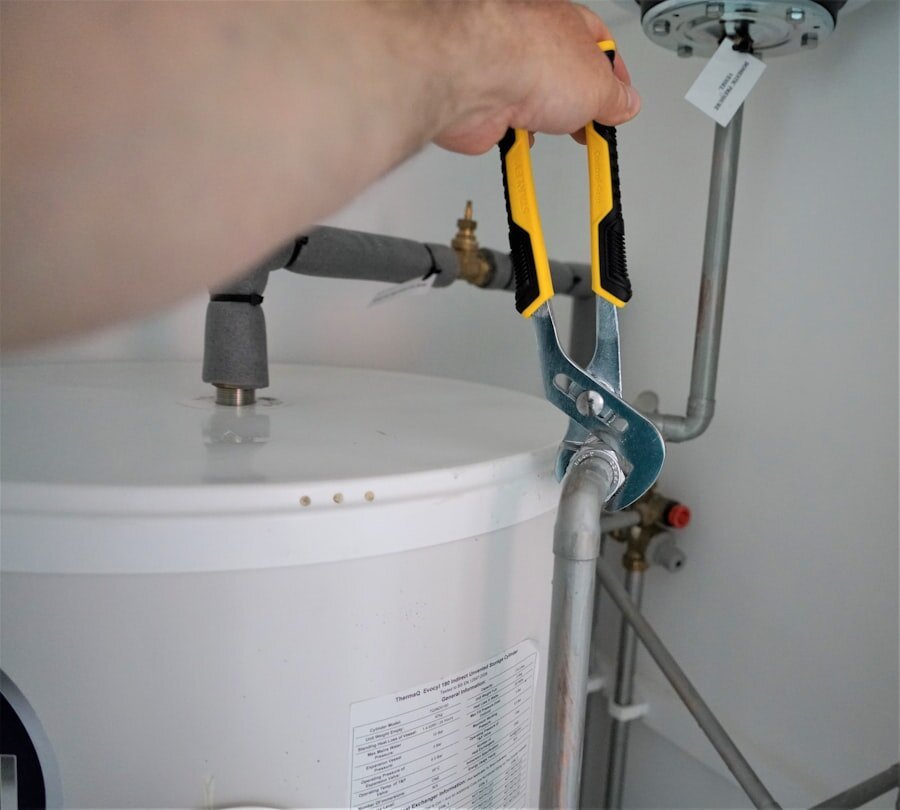
Regular cleaning of AC condenser coils is essential for maintaining the efficiency and longevity of your air conditioning system. Just as you would routinely change your car’s oil or clean your home, your AC unit requires regular maintenance to function at its best. By scheduling routine cleanings, you can prevent dirt and debris from accumulating on the coils, ensuring that they remain free-flowing and efficient.
In addition to improving cooling efficiency, regular cleaning can help prevent costly repairs down the line. A well-maintained AC unit is less likely to experience breakdowns or malfunctions, saving you money on emergency repairs and replacements. Furthermore, many manufacturers recommend regular maintenance as part of their warranty requirements.
Signs of Dirty Condenser Coils
Recognizing the signs of dirty condenser coils is crucial for timely intervention and maintenance. One of the most common indicators is reduced cooling performance; if you notice that your AC unit is struggling to maintain a comfortable temperature, it may be time to inspect the coils. Additionally, if you observe that your energy bills have spiked without any changes in usage patterns, this could also signal that your condenser coils are dirty and causing inefficiencies.
Another sign to watch for is visible dirt or debris on the coils themselves. If you can see dust buildup or if there are clumps of leaves and other debris around the outdoor unit, it’s likely that the coils are not functioning optimally. Additionally, if you hear unusual noises coming from your AC unit or notice that it is running longer than usual without effectively cooling your space, these could be signs that dirty condenser coils are affecting performance.
DIY Cleaning Methods
| Metric | Before Cleaning | After Cleaning | Improvement | Notes |
|---|---|---|---|---|
| Cooling Efficiency (%) | 70 | 95 | +25% | Improved heat transfer after coil cleaning |
| Energy Consumption (kWh) | 5.5 | 4.0 | -27% | Less energy needed to achieve desired cooling |
| Compressor Run Time (hours/day) | 10 | 7 | -30% | Reduced workload on compressor |
| Airflow Rate (CFM) | 350 | 500 | +43% | Cleaner coils allow better airflow |
| System Lifespan (years) | 10 | 13 | +30% | Regular maintenance extends equipment life |
| Frequency of Cleaning | Once per year | Once per year | N/A | Recommended minimum frequency |
For those who prefer a hands-on approach, there are several DIY methods for cleaning AC condenser coils. Before starting any cleaning process, ensure that you turn off the power to your AC unit for safety. One effective method involves using a soft brush or a vacuum with a brush attachment to gently remove dirt and debris from the surface of the coils.
Be careful not to bend or damage the fins during this process. Another option is to use a garden hose with a spray nozzle to rinse off any remaining dirt after brushing. This method can help dislodge stubborn grime and ensure that the coils are thoroughly cleaned.
However, it’s important to avoid using high-pressure water, as this can bend the fins and cause damage. For those who want a deeper clean, consider using a commercial coil cleaner specifically designed for this purpose; just be sure to follow the manufacturer’s instructions carefully.
Professional Cleaning Services

While DIY cleaning methods can be effective for minor maintenance, there are times when enlisting professional cleaning services is necessary. Professional HVAC technicians have specialized tools and expertise that allow them to clean condenser coils more thoroughly than most homeowners can achieve on their own. They can also identify any underlying issues that may be affecting your AC unit’s performance.
Hiring professionals for regular maintenance not only ensures that your condenser coils are cleaned properly but also provides peace of mind knowing that your entire system is being inspected for potential problems. Many HVAC companies offer comprehensive maintenance packages that include coil cleaning as part of their services. This proactive approach can save you time and money in the long run by preventing major breakdowns and extending the lifespan of your air conditioning system.
Extending the Lifespan of Your AC Unit
Regular cleaning and maintenance of condenser coils play a significant role in extending the lifespan of your air conditioning unit. When coils are kept clean, the system operates more efficiently, reducing wear and tear on components such as compressors and fans. This not only helps prevent premature failure but also ensures that your AC unit continues to provide reliable cooling for many years.
In addition to cleaning, other maintenance practices can further enhance the longevity of your AC system. These include changing air filters regularly, checking refrigerant levels, and ensuring proper airflow around the outdoor unit. By taking a comprehensive approach to maintenance, you can maximize the lifespan of your air conditioning system while enjoying consistent comfort in your home or business.
Energy Efficiency and Cost Savings
One of the most compelling reasons to keep your AC condenser coils clean is the potential for energy efficiency and cost savings. A well-maintained system operates more efficiently, which translates into lower energy bills each month. According to industry experts, dirty condenser coils can increase energy consumption by up to 30%, making regular cleaning an essential practice for budget-conscious homeowners.
In addition to reducing monthly utility costs, maintaining clean coils can also lead to savings on repair bills. When an AC unit operates under stress due to dirty coils, it is more prone to breakdowns and malfunctions. By investing in regular cleaning and maintenance, you can avoid costly repairs and ensure that your system runs smoothly throughout its lifespan.
Health Benefits of Clean Coils
Beyond energy efficiency and cost savings, there are significant health benefits associated with keeping your AC condenser coils clean. A well-functioning air conditioning system helps maintain indoor air quality by filtering out dust, allergens, and pollutants from the air. When condenser coils are dirty, they can contribute to poor air quality by circulating contaminants throughout your living or working space.
Additionally, clean coils help ensure that your AC unit operates effectively in removing humidity from indoor air. High humidity levels can lead to mold growth and other health issues over time. By maintaining clean condenser coils, you not only improve cooling efficiency but also create a healthier environment for yourself and those around you.
Preventing AC Breakdowns
Preventing breakdowns is one of the primary benefits of regular cleaning and maintenance of AC condenser coils. When dirt accumulates on these coils, it forces the system to work harder than necessary, increasing the likelihood of component failure over time. Regularly cleaning the coils helps mitigate this risk by ensuring that they remain free from obstructions.
In addition to cleaning, scheduling routine inspections with a professional HVAC technician can further reduce the risk of unexpected breakdowns. Technicians can identify potential issues before they escalate into major problems, allowing you to address them proactively rather than reactively.
Maintenance Tips for Clean Condenser Coils
To keep your AC condenser coils in optimal condition, consider implementing a few simple maintenance tips into your routine. First and foremost, regularly inspect the area around your outdoor unit for debris such as leaves, grass clippings, or dirt buildup; keeping this area clear will help prevent obstructions from affecting coil performance. Additionally, make it a habit to check and replace air filters every one to three months depending on usage; clean filters promote better airflow and reduce strain on your AC system.
Finally, consider scheduling professional maintenance at least once a year; this ensures thorough cleaning and inspection while providing peace of mind knowing that your system is operating efficiently. In conclusion, understanding the importance of AC condenser coil maintenance cannot be overstated. From improving cooling efficiency and extending equipment lifespan to enhancing indoor air quality and preventing costly breakdowns, regular cleaning is essential for any homeowner or business owner relying on air conditioning systems in Metro Detroit or beyond.
By taking proactive steps toward maintaining clean condenser coils, you can enjoy a comfortable environment while saving money on energy bills and repairs in the long run.
Cleaning the AC condenser coils is crucial for maintaining optimal cooling efficiency in your air conditioning system. For those interested in enhancing their indoor air quality, a related article titled Dust Bunnies Be Gone: The Importance of Air Duct Cleaning provides valuable insights into how regular maintenance of air ducts can complement the cleaning of condenser coils, ensuring a healthier and more comfortable living environment.
FAQs
Why is it important to clean AC condenser coils?
Cleaning AC condenser coils is essential because dirty coils reduce the system’s efficiency, causing it to work harder and consume more energy. Clean coils improve heat transfer, leading to better cooling performance and lower energy bills.
How often should AC condenser coils be cleaned?
AC condenser coils should generally be cleaned at least once a year. However, if the unit is located in a dusty or polluted environment, more frequent cleaning may be necessary to maintain optimal performance.
What are the signs that AC condenser coils need cleaning?
Signs that condenser coils need cleaning include reduced cooling efficiency, increased energy consumption, the AC unit running longer than usual, and visible dirt or debris on the coils.
Can I clean the AC condenser coils myself?
Yes, homeowners can clean AC condenser coils themselves using a soft brush, coil cleaner, and water. However, care must be taken to avoid damaging the fins or other components. For best results, professional cleaning is recommended.
What happens if AC condenser coils are not cleaned regularly?
If condenser coils are not cleaned regularly, dirt and debris can cause the system to overheat, reduce cooling capacity, increase energy consumption, and potentially lead to costly repairs or premature system failure.
Does cleaning AC condenser coils improve indoor air quality?
While cleaning condenser coils primarily improves cooling efficiency, it can indirectly contribute to better indoor air quality by ensuring the AC system operates properly and reduces the risk of mold or bacteria growth within the unit.
What tools are needed to clean AC condenser coils?
Common tools for cleaning condenser coils include a soft brush, coil cleaner spray, a garden hose with a gentle spray nozzle, and protective gloves. Avoid using high-pressure water or harsh tools that can damage the coils.
Is professional maintenance necessary for AC condenser coils?
Professional maintenance is recommended because HVAC technicians have the expertise and equipment to thoroughly clean and inspect the coils, identify potential issues, and ensure the entire system is functioning efficiently.