
Air duct cleaning involves the removal of dust, debris, and contaminants from heating, ventilation, and air conditioning (HVAC) system components. This maintenance practice addresses the accumulation of particles that naturally occurs in ductwork over time, including dust, pollen, pet dander, and other airborne materials that can affect indoor air quality. Research indicates that contaminated air ducts may contribute to reduced indoor air quality, though the extent of health impacts varies depending on individual sensitivities and the level of contamination present.
The Environmental Protection Agency notes that duct cleaning may be beneficial in certain circumstances, particularly when there is visible mold growth, substantial dust buildup, or pest infestations within the duct system. Regular maintenance of HVAC systems, including ductwork, can contribute to improved system efficiency. When air ducts contain excessive debris, airflow resistance increases, potentially causing HVAC systems to consume more energy to maintain desired temperatures.
The Department of Energy reports that proper maintenance of heating and cooling systems can help optimize energy efficiency, though the specific energy savings from duct cleaning alone may vary based on system condition and usage patterns.
Key Takeaways
- Air duct cleaning is essential for maintaining indoor air quality and HVAC system efficiency.
- Selecting the right equipment depends on the specific cleaning needs and duct system type.
- Key features to consider include suction power, brush types, and ease of maneuverability.
- Proper maintenance and safety protocols are crucial to ensure effective and safe operation.
- Staying updated on training and emerging technologies enhances cleaning effectiveness and technician expertise.
Types of Air Duct Cleaning Equipment
When it comes to air duct cleaning, various types of equipment are utilized to ensure thorough and effective cleaning. One of the most common tools is the vacuum system, which is designed to remove dust and debris from the ducts. These vacuum systems often come equipped with powerful suction capabilities that can reach deep into the ductwork, ensuring that even the most stubborn contaminants are removed.
Additionally, many professionals use rotary brushes that scrub the interior surfaces of the ducts, dislodging dirt and grime that may have built up over time. Another essential piece of equipment is the air compressor, which is used to blow out debris from the ducts after it has been loosened by brushes or other cleaning tools. This method is particularly effective for reaching areas that are difficult to access.
Furthermore, specialized cameras are often employed to inspect the ducts before and after cleaning, allowing technicians to assess the level of contamination and ensure that all areas have been adequately addressed. By utilizing a combination of these tools, cleaning professionals can provide a comprehensive service that leaves your air ducts spotless. For professional cleaning solutions tailored to your needs, Check our services area.
Choosing the Right Air Duct Cleaning Equipment for Your Needs
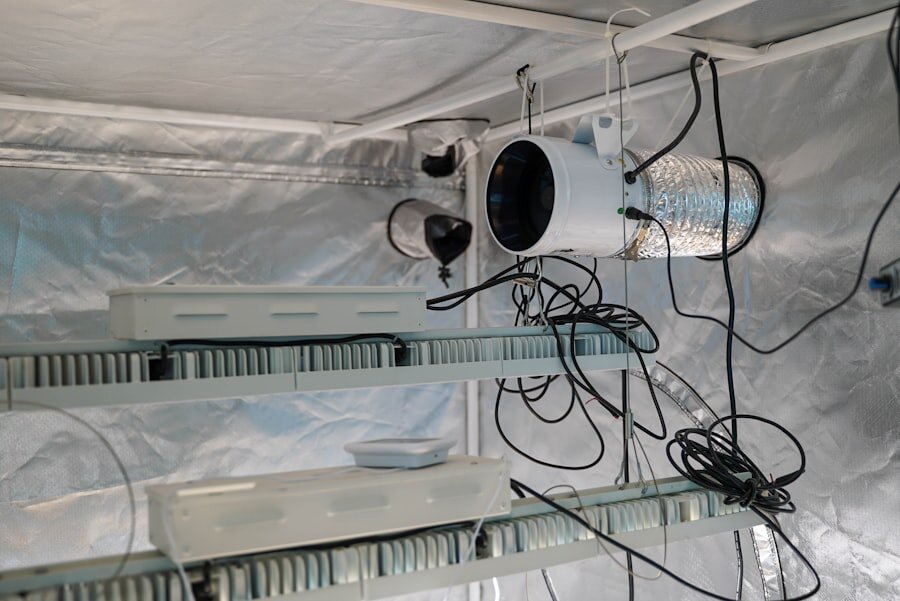
Selecting the appropriate air duct cleaning equipment is vital for achieving optimal results. The choice largely depends on the specific needs of your property and the extent of contamination present in your ducts. For instance, if you operate a commercial facility in Metro Detroit with high foot traffic, you may require more robust equipment capable of handling larger volumes of dust and debris.
In contrast, residential properties may benefit from lighter, more portable equipment that can be easily maneuvered through tight spaces. It’s also essential to consider the type of ductwork in your building. Different materials may require different cleaning approaches and equipment.
For example, flexible ductwork may necessitate specialized brushes that can navigate bends without causing damage. Consulting with a professional cleaning service like Alma Cleaning Service can help you determine the best equipment for your specific situation, ensuring that you achieve thorough and effective cleaning without compromising the integrity of your duct system.
Key Features to Look for in Air Duct Cleaning Equipment
When evaluating air duct cleaning equipment, several key features should be prioritized to ensure efficiency and effectiveness. First and foremost, look for equipment with strong suction power. A vacuum system with high airflow capacity will be able to remove more debris in less time, making the cleaning process quicker and more efficient.
Additionally, consider equipment that offers versatility; tools that can adapt to various duct sizes and configurations will provide greater flexibility during cleaning. Another important feature is ease of use. Equipment that is user-friendly allows technicians to operate it efficiently without extensive training.
Lightweight designs and ergonomic handles can reduce fatigue during long cleaning sessions, enhancing productivity. Furthermore, consider equipment with built-in filtration systems to capture fine particles and prevent them from being released back into the air during cleaning. By focusing on these features, you can ensure that your air duct cleaning efforts are both effective and efficient.
Proper Maintenance and Care for Air Duct Cleaning Equipment
| Vacuum Systems | Remove dust and debris from ducts | High suction power, HEPA filters, portable or truck-mounted | General duct cleaning | After every major cleaning job |
| Rotary Brushes | Dislodge dirt and buildup inside ducts | Flexible shafts, rotating heads, adjustable speed | Scrubbing duct interiors | Inspect before each use |
| Air Whips and Air Lances | Blow debris loose inside ducts | Compressed air powered, flexible, various nozzle sizes | Loosening dust and particles | Check for wear regularly |
| Inspection Cameras | Visual inspection of duct interiors | Flexible cable, LED lighting, high-resolution video | Pre- and post-cleaning inspection | Clean lens after each use |
| Air Scrubbers | Filter and clean air during cleaning process | HEPA filtration, portable, adjustable airflow | Maintain air quality during cleaning | Replace filters as recommended |
To maximize the lifespan and performance of your air duct cleaning equipment, proper maintenance and care are essential. Regularly inspecting equipment for wear and tear can help identify potential issues before they become significant problems.
For instance, checking hoses for cracks or blockages ensures that airflow remains unobstructed during cleaning operations.
Additionally, keeping filters clean and replacing them as needed will maintain optimal suction power and prevent dust from recirculating into the air. Cleaning equipment after each use is also crucial for maintaining its effectiveness. This includes emptying vacuum bags or containers to prevent clogs and ensuring that brushes are free from debris.
Storing equipment in a clean, dry environment will protect it from moisture damage and prolong its lifespan. By implementing a routine maintenance schedule, you can ensure that your air duct cleaning equipment remains in top condition, ready to deliver exceptional results whenever needed.
Safety Considerations When Using Air Duct Cleaning Equipment
Safety should always be a top priority when operating air duct cleaning equipment. Technicians must be trained in proper handling techniques to minimize risks associated with equipment use. For instance, wearing appropriate personal protective equipment (PPE), such as gloves and masks, can protect against exposure to dust and allergens released during cleaning.
Additionally, ensuring that all electrical components are properly grounded can prevent electrical hazards.
It’s also important to be aware of potential hazards within the ductwork itself.
Mold growth or pest infestations may pose health risks during cleaning operations.
Therefore, conducting a thorough inspection before beginning work is essential to identify any potential dangers. By prioritizing safety measures and providing adequate training for technicians, you can create a safer working environment while delivering high-quality air duct cleaning services.
Best Practices for Using Air Duct Cleaning Equipment
To achieve optimal results when using air duct cleaning equipment, adhering to best practices is essential. First and foremost, always follow the manufacturer’s instructions for operating each piece of equipment. This ensures that you are using it correctly and safely while maximizing its effectiveness.
Additionally, conducting a pre-cleaning assessment of the duct system allows technicians to identify problem areas that may require special attention during the cleaning process. Another best practice is to work systematically through each section of the ductwork rather than attempting to clean everything at once. This methodical approach ensures that no areas are overlooked and allows for thorough cleaning of each section before moving on to the next.
Furthermore, utilizing video inspection technology can provide real-time feedback on the effectiveness of the cleaning process, allowing technicians to make adjustments as needed for optimal results.
Common Mistakes to Avoid When Using Air Duct Cleaning Equipment
While using air duct cleaning equipment can be straightforward, several common mistakes can hinder effectiveness or even cause damage. One frequent error is neglecting to perform a thorough inspection before starting the cleaning process. Failing to identify issues such as mold or pest infestations can lead to inadequate cleaning or even exacerbate existing problems.
Another mistake is rushing through the cleaning process without taking the time to ensure thoroughness. Skipping sections or not spending enough time on particularly dirty areas can result in lingering contaminants within the ductwork. Additionally, improper handling of equipment—such as using excessive force on brushes—can damage duct surfaces or lead to equipment malfunctions.
By being aware of these common pitfalls and taking steps to avoid them, technicians can deliver superior air duct cleaning services.
Tips for Maximizing the Efficiency of Air Duct Cleaning Equipment
Maximizing the efficiency of air duct cleaning equipment involves strategic planning and execution during each job. One effective tip is to ensure that all necessary tools and supplies are readily available before starting work. This preparation minimizes downtime during the cleaning process and allows technicians to focus on delivering quality service without interruptions.
Additionally, utilizing advanced technology such as HEPA filters in vacuum systems can significantly enhance efficiency by capturing smaller particles that standard filters might miss. Regularly maintaining equipment also plays a crucial role in efficiency; well-maintained tools operate more effectively and require less energy to perform their tasks. By implementing these strategies, you can ensure that your air duct cleaning efforts yield optimal results while minimizing time and resource expenditure.
How to Train and Certify Technicians in Air Duct Cleaning Equipment Operation
Training and certifying technicians in air duct cleaning equipment operation is vital for ensuring high-quality service delivery. A comprehensive training program should cover both theoretical knowledge and practical skills related to equipment use and safety protocols. This includes understanding how different types of equipment function, recognizing potential hazards within duct systems, and mastering best practices for effective cleaning.
Certification programs offered by reputable organizations can provide technicians with recognized credentials that demonstrate their expertise in air duct cleaning practices. Ongoing education is also essential; keeping technicians updated on new technologies and techniques ensures they remain competitive in an evolving industry. By investing in training and certification programs, you can build a skilled workforce capable of delivering exceptional air duct cleaning services.
Future Trends in Air Duct Cleaning Equipment Technology
As technology continues to advance, so too does the field of air duct cleaning equipment. One emerging trend is the integration of smart technology into cleaning systems, allowing for real-time monitoring and diagnostics during operations. These innovations enable technicians to identify issues quickly and adjust their approach accordingly for optimal results.
Additionally, eco-friendly cleaning solutions are gaining popularity as consumers become more environmentally conscious. Equipment designed to minimize energy consumption while maximizing effectiveness will likely become standard in the industry. As these trends continue to evolve, businesses like Alma Cleaning Service will be well-positioned to leverage new technologies and practices that enhance service quality while meeting customer demands for sustainability.
In conclusion, understanding the importance of air duct cleaning is essential for maintaining a healthy indoor environment in both residential and commercial spaces throughout Metro Detroit. By choosing the right equipment, adhering to best practices, prioritizing safety measures, and investing in technician training, businesses can deliver exceptional air duct cleaning services that improve indoor air quality while maximizing efficiency and effectiveness.
When considering air duct cleaning equipment, it’s essential to understand the broader context of indoor air quality. A related article that delves into this topic is “Three Key Indoor Air Pollutants and How to Address Them,” which provides valuable insights into common pollutants that can affect your home’s air quality and the importance of maintaining clean air ducts. You can read the article [here](https://almacleaningservice.com/hree-key-indoor-air-pollutants-and-how-to-address-them/).
FAQs
What is air duct cleaning equipment?
Air duct cleaning equipment refers to the specialized tools and machines used to clean the ventilation ducts in heating, ventilation, and air conditioning (HVAC) systems. These tools help remove dust, debris, mold, and other contaminants to improve indoor air quality.
Why is air duct cleaning important?
Air duct cleaning is important because it helps maintain good indoor air quality by removing dust, allergens, mold, and other pollutants from the HVAC system. Clean ducts can also improve system efficiency and reduce energy costs.
What types of equipment are commonly used for air duct cleaning?
Common air duct cleaning equipment includes rotary brushes, high-powered vacuums, air whips, compressed air tools, and video inspection cameras. These tools work together to dislodge and remove debris from ductwork.
Can I clean air ducts myself using this equipment?
While some basic tools are available for homeowners, professional-grade air duct cleaning equipment requires training and experience to use effectively and safely. It is generally recommended to hire certified professionals for thorough duct cleaning.
How often should air ducts be cleaned?
The frequency of air duct cleaning depends on factors such as the presence of pets, smokers, recent renovations, or mold growth. Generally, cleaning every 3 to 5 years is recommended, but more frequent cleaning may be necessary in certain situations.
Are there any safety concerns with air duct cleaning equipment?
Yes, improper use of air duct cleaning equipment can damage ductwork or spread contaminants. Professionals use equipment designed to minimize risks and follow safety protocols to protect both the HVAC system and occupants.
Does air duct cleaning equipment remove mold?
Air duct cleaning equipment can remove mold spores and debris from ducts, but it may not eliminate mold growth entirely. Addressing moisture issues and using antimicrobial treatments may be necessary to fully resolve mold problems.
How much does professional air duct cleaning equipment cost?
Professional air duct cleaning equipment can be expensive, often costing thousands of dollars. This includes vacuums, brushes, and inspection cameras. The cost reflects the equipment’s power, durability, and effectiveness.
What should I look for when choosing air duct cleaning equipment?
Key factors include the equipment’s suction power, brush types, ease of use, compatibility with different duct sizes, and the availability of inspection tools. For professionals, equipment reliability and warranty are also important.
Is air duct cleaning equipment environmentally friendly?
Many modern air duct cleaning tools are designed to be energy-efficient and reduce waste. However, the environmental impact depends on the cleaning methods used and proper disposal of removed contaminants.