
Air ducts are essential components of heating, ventilation, and air conditioning (HVAC) systems, functioning as pathways for conditioned air throughout buildings. Over time, these ducts accumulate dust, dirt, and debris, which creates problems beyond mere aesthetics, affecting both indoor air quality and HVAC efficiency. When dust builds up in air ducts, it restricts airflow, forcing the system to work harder to maintain desired temperatures.
This inefficiency results in increased energy consumption, higher utility bills, and reduced HVAC equipment lifespan. Additionally, dust accumulation in ducts negatively impacts occupant health. As air circulates, it carries dust particles into living spaces where they can be inhaled.
This is particularly problematic for individuals with allergies, respiratory conditions, or other sensitivities. Regular maintenance and cleaning of air ducts is therefore essential for both homeowners and business owners to ensure efficient system operation and maintain a healthy indoor environment.
Key Takeaways
- Dust accumulation in air ducts poses significant health risks by circulating allergens and pollutants throughout indoor spaces.
- Regular cleaning and maintenance of air ducts are essential to prevent dust build-up and maintain indoor air quality.
- Effective air filtration and purification systems play a crucial role in controlling dust levels within air ducts.
- Professional air duct cleaning, supported by advanced technology, is often more effective than DIY methods, especially for hard-to-reach areas.
- Emerging innovations and preventive strategies are shaping the future of air duct cleaning, aiming to reduce environmental impact and improve efficiency.
The Health Risks Associated with Dust Build-Up in Air Ducts
The health risks associated with dust build-up in air ducts are significant and should not be overlooked. Dust is composed of various particles, including pollen, pet dander, mold spores, and even tiny fragments of skin. When these particles are circulated through the air, they can trigger allergic reactions and respiratory problems in sensitive individuals.
Symptoms such as sneezing, coughing, and itchy eyes can become more pronounced in environments where dust is prevalent. For those with asthma or other chronic respiratory conditions, exposure to dust can lead to severe complications and exacerbate their symptoms. In addition to immediate health concerns, long-term exposure to poor indoor air quality can lead to more serious health issues.
Studies have shown that prolonged exposure to airborne pollutants can contribute to the development of chronic respiratory diseases and cardiovascular problems. Therefore, maintaining clean air ducts is not just about comfort; it is a critical aspect of safeguarding the health of everyone who occupies the space. Regular cleaning and maintenance of air ducts can significantly reduce these health risks, ensuring that the air you breathe is as clean and safe as possible. For professional cleaning solutions tailored to your needs, Check our services area.
Common Sources of Dust in Air Ducts and How They Contribute to the Problem
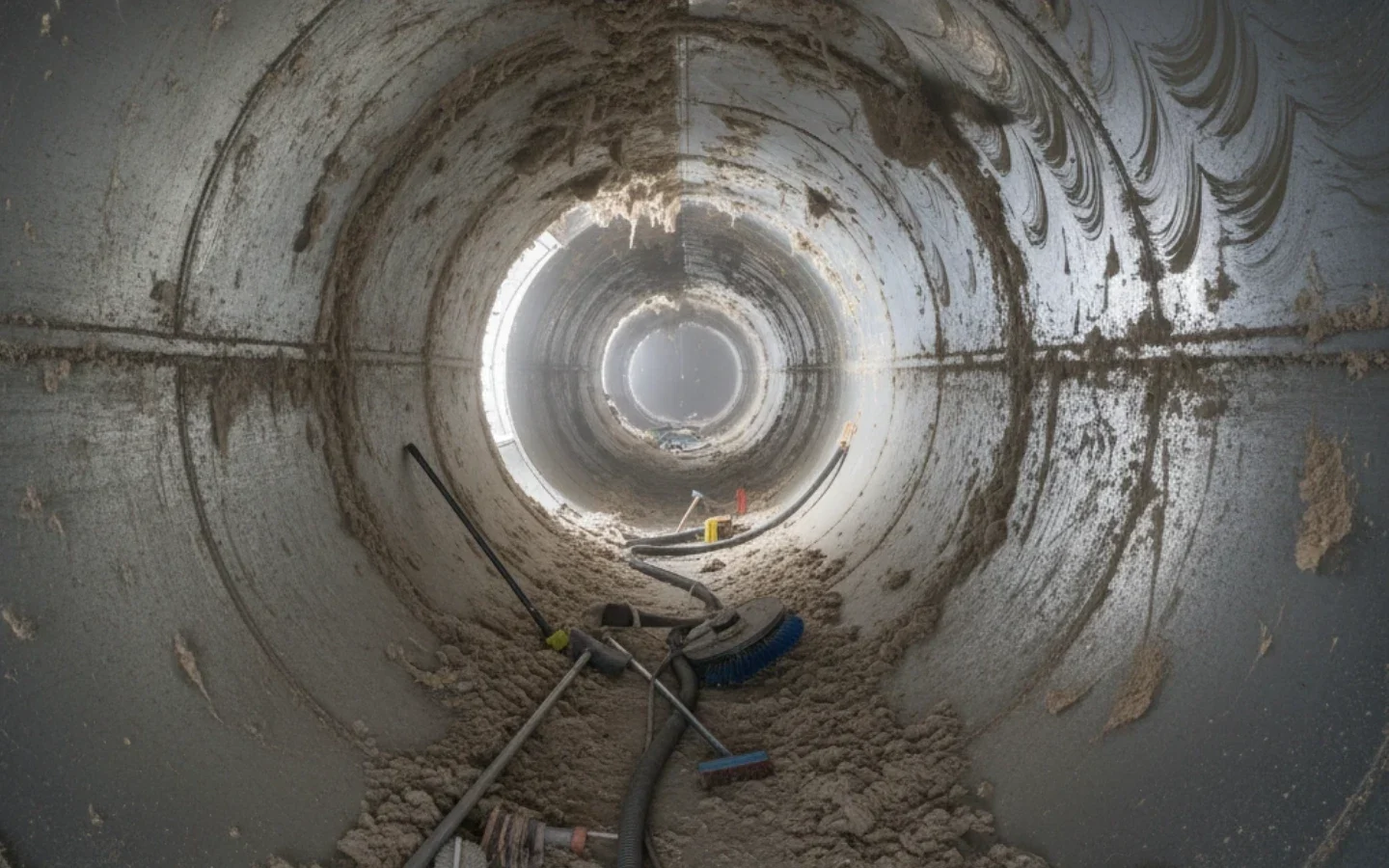
Understanding the common sources of dust in air ducts is essential for addressing the problem effectively. One of the primary contributors to dust accumulation is everyday activities within a home or office. Simple actions such as walking on carpets, opening windows, or even using furniture can stir up dust particles that eventually find their way into the ductwork.
Additionally, pets can be significant contributors to dust build-up; their fur and dander can easily circulate through the HVAC system if not properly managed. Another common source of dust is construction or renovation activities. When remodeling a space, dust from drywall, paint, and other materials can infiltrate air ducts if proper precautions are not taken.
Even routine maintenance tasks like changing filters or cleaning vents can inadvertently introduce more dust into the system if not done carefully. By identifying these sources, homeowners and business owners can take proactive measures to minimize dust accumulation and maintain cleaner air ducts.
The Importance of Regular Air Duct Cleaning and Maintenance
Regular air duct cleaning and maintenance are vital for ensuring optimal indoor air quality and HVAC efficiency. Over time, dust and debris can accumulate in the ductwork, leading to blockages that restrict airflow. This restriction forces HVAC systems to work harder to circulate air, resulting in increased energy consumption and higher utility bills.
By scheduling routine cleaning services, property owners can enhance the efficiency of their HVAC systems while also extending their lifespan. Moreover, regular maintenance helps prevent potential health risks associated with poor indoor air quality. By removing accumulated dust and allergens from air ducts, property owners can create a healthier living or working environment for occupants.
This is especially important for families with children or individuals with allergies or respiratory conditions. Investing in professional air duct cleaning services not only improves air quality but also contributes to overall comfort and well-being.
The Role of Filters and Air Purification Systems in Controlling Dust in Air Ducts
| Reason | Description | Impact on Dust Levels | Frequency |
|---|---|---|---|
| Incomplete Cleaning | Not all sections of the air ducts are thoroughly cleaned, leaving dust behind. | High – Residual dust continues to circulate. | Common |
| Dirty HVAC Components | Dust accumulates on HVAC parts like fans and coils, which are not cleaned. | Moderate – Dust re-enters air stream from components. | Frequent |
| Dirty Air Filters | Air filters clogged with dust reduce filtration efficiency. | High – Allows dust to bypass filters. | Very Common |
| External Dust Sources | Dust from outside or indoor activities continuously enters the system. | Moderate – New dust accumulates quickly. | Ongoing |
| Leaky Ductwork | Leaks in ducts allow dust from unconditioned spaces to enter. | Moderate to High – Continuous dust infiltration. | Occasional |
| Improper Ventilation | Poor airflow causes dust to settle and recirculate. | Moderate – Dust buildup in stagnant areas. | Common |
| Household Activities | Activities like cooking, cleaning, and pet dander generate dust. | High – Constant new dust generation. | Daily |
Filters play a crucial role in controlling dust levels within air ducts and improving indoor air quality. High-efficiency particulate air (HEPA) filters are designed to capture a significant percentage of airborne particles, including dust, pollen, and pet dander. By regularly changing these filters according to manufacturer recommendations, homeowners can significantly reduce the amount of dust that enters their HVAC systems.
In addition to filters, air purification systems can further enhance indoor air quality by removing contaminants from the air before they reach the ductwork. These systems use various technologies such as UV light or ionization to neutralize airborne particles and pathogens. When combined with regular duct cleaning and maintenance, filters and purification systems create a comprehensive approach to controlling dust levels in indoor environments.
DIY vs Professional Air Duct Cleaning: What You Need to Know
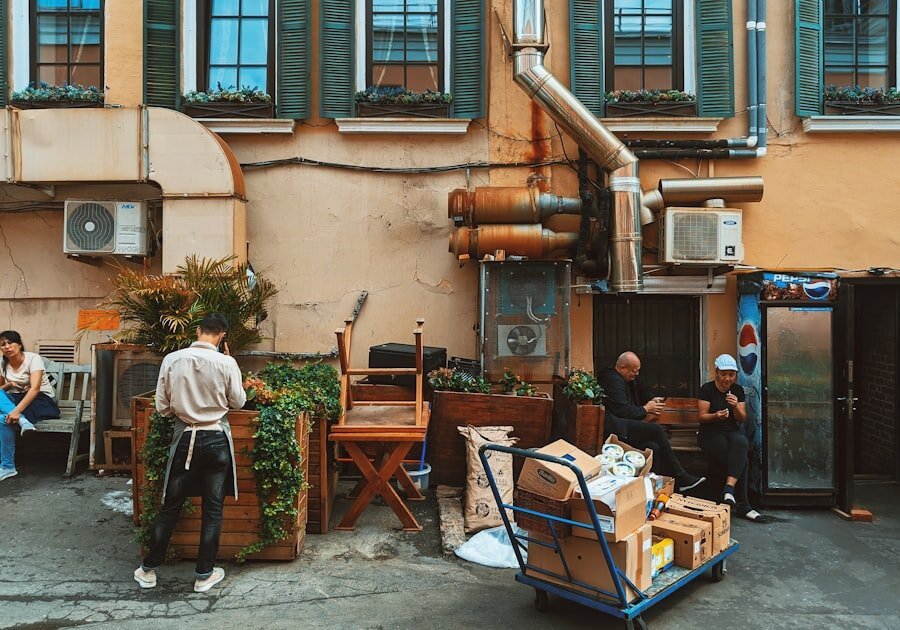
When it comes to air duct cleaning, many homeowners may wonder whether they should attempt a DIY approach or hire a professional service. While there are some basic maintenance tasks that homeowners can perform—such as changing filters or vacuuming accessible vents—professional cleaning offers several advantages that DIY methods cannot match. Professional cleaners have specialized equipment designed to thoroughly remove dust and debris from deep within ductwork, ensuring a more comprehensive clean.
Additionally, professionals are trained to identify potential issues within the duct system that may go unnoticed by untrained individuals. They can spot signs of mold growth or pest infestations that could pose health risks. While DIY cleaning may seem cost-effective initially, investing in professional services ultimately leads to better results and peace of mind regarding indoor air quality.
The Challenges of Removing Dust from Hard-to-Reach Areas in Air Ducts
One of the significant challenges associated with air duct cleaning is accessing hard-to-reach areas within the ductwork.
Many HVAC systems have complex layouts with bends and turns that make it difficult for standard cleaning tools to reach all areas effectively.
Dust can accumulate in these hard-to-reach spots over time, leading to persistent air quality issues even after cleaning efforts.
Professional cleaners utilize specialized equipment such as rotary brushes and high-powered vacuums designed specifically for navigating these challenging areas. This equipment allows them to dislodge stubborn dust particles and ensure a thorough clean throughout the entire duct system. By addressing these hard-to-reach areas, professional services provide a level of cleanliness that DIY methods often cannot achieve.
The Role of Technology in Improving Air Duct Cleaning Techniques
Advancements in technology have significantly improved air duct cleaning techniques over recent years. Modern cleaning equipment incorporates powerful suction capabilities and specialized brushes that effectively remove dust and debris from ductwork without causing damage. Additionally, video inspection technology allows professionals to assess the condition of ducts before and after cleaning, providing valuable insights into areas that require attention.
Furthermore, innovations such as robotic cleaning systems are emerging as potential game-changers in the industry. These robots can navigate complex duct systems autonomously, ensuring thorough cleaning while minimizing disruption to occupants. As technology continues to evolve, property owners can expect even more efficient and effective solutions for maintaining clean air ducts.
Strategies for Preventing Dust Build-Up in Air Ducts
Preventing dust build-up in air ducts requires a proactive approach that includes regular maintenance and smart practices within homes or businesses. One effective strategy is to establish a routine schedule for changing HVAC filters based on usage levels—typically every one to three months depending on factors like pet ownership or seasonal changes. Additionally, keeping indoor spaces clean by regularly vacuuming carpets and upholstery can help minimize dust accumulation that may enter ductwork.
Using doormats at entryways can also reduce the amount of dirt tracked indoors from outside sources. By implementing these strategies alongside professional cleaning services, property owners can significantly reduce dust levels within their HVAC systems.
The Environmental Impact of Dust in Air Ducts and How to Address It
The environmental impact of dust accumulation in air ducts extends beyond individual health concerns; it also affects energy consumption and overall sustainability efforts. When HVAC systems work harder due to restricted airflow caused by dust build-up, they consume more energy—contributing to higher carbon emissions associated with electricity generation. Addressing this issue requires a commitment to regular maintenance practices that promote energy efficiency while improving indoor air quality.
By investing in professional cleaning services and utilizing high-efficiency filters or purification systems, property owners can reduce their environmental footprint while creating healthier living spaces.
The Future of Air Duct Cleaning: Innovations and Trends to Watch Out For
As awareness grows regarding the importance of indoor air quality, the future of air duct cleaning looks promising with several innovations on the horizon. Emerging technologies such as artificial intelligence (AI) are being integrated into cleaning processes—allowing for more precise assessments of duct conditions and tailored cleaning solutions based on specific needs. Additionally, eco-friendly cleaning products are gaining traction as consumers become more conscious about environmental sustainability.
These products offer effective cleaning solutions without harmful chemicals that could compromise indoor air quality further. In conclusion, understanding the significance of maintaining clean air ducts is essential for promoting health and comfort within any indoor environment. By recognizing common sources of dust accumulation, investing in professional services when necessary, and adopting preventive strategies—property owners can ensure cleaner air while contributing positively towards environmental sustainability efforts.
If you’re curious about the various factors that contribute to indoor air quality, you might find the article on com/three-key-indoor-air-pollutants-and-how-to-address-them/’>three key indoor air pollutants and how to address them particularly insightful.
Understanding these pollutants can help you better comprehend why dust continues to accumulate in your home, even after you’ve cleaned your air ducts.
FAQs
Why does dust come back after cleaning air ducts?
Dust can return after cleaning air ducts because dust particles continuously enter your home from various sources such as open windows, doors, pets, and everyday activities. Additionally, if the air ducts are not sealed properly or if the HVAC system’s filters are not regularly changed, dust can accumulate again quickly.
Does cleaning air ducts completely eliminate dust in the home?
No, cleaning air ducts helps reduce dust buildup but does not completely eliminate dust in the home. Dust is generated from multiple sources including skin cells, fabric fibers, outdoor pollutants, and household activities, so it will naturally accumulate over time.
How often should air ducts be cleaned to minimize dust?
Air ducts should generally be cleaned every 3 to 5 years, but this can vary depending on factors such as the presence of pets, smokers, recent renovations, or allergy sufferers in the home. Regular maintenance and filter changes are also important to minimize dust.
Can dirty air filters cause dust to return quickly after duct cleaning?
Yes, dirty or clogged air filters reduce the HVAC system’s ability to trap dust and particles, allowing dust to circulate and settle in your home more quickly even after the ducts have been cleaned.
Are there other ways to reduce dust besides cleaning air ducts?
Yes, other effective ways to reduce dust include regularly changing HVAC filters, using high-efficiency particulate air (HEPA) filters, vacuuming with a HEPA filter vacuum, dusting with microfiber cloths, controlling humidity levels, and minimizing clutter that can collect dust.
Can leaks or gaps in air ducts cause dust to return?
Yes, leaks or gaps in the air duct system can allow dust and debris from unconditioned spaces like attics or crawl spaces to enter the ducts and circulate throughout the home, contributing to dust buildup.
Is professional air duct cleaning necessary to reduce dust?
Professional air duct cleaning can be beneficial in removing accumulated dust, mold, and debris from the ductwork, but it should be part of a comprehensive approach including regular filter changes and home cleaning to effectively reduce dust levels.